Brooms Are for Amateurs Halloween Embroidery Review
As an embroidery designer who spends more time than I care to admit staring at digitized files and testing stitch density on scrap fabric, I approach every new download with a healthy dose of skepticism. The market is saturated with generic clip art masquerading as professional designs. However, when browsing Creative Fabrica embroidery assets for my upcoming seasonal collection, the file titled Brooms Are for Amateurs Halloween Embroidery caught my eye. It promised a mix of humor and classic spooky aesthetics, but does it hold up in a real-world production environment?
I decided to put this design through its paces before committing it to a batch of custom apparel for a local craft fair. Below is my honest evaluation of how this embroidery file performs, what projects it suits best, and where you might encounter technical challenges.
First Impressions and Visual Appeal
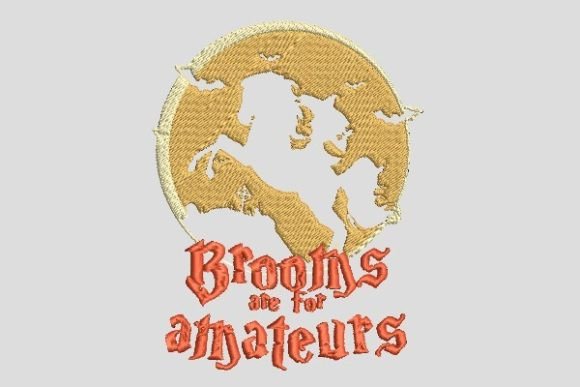
The immediate visual mood of the Brooms Are for Amateurs Halloween Embroidery design is playful yet sophisticated. Unlike many Halloween designs that rely heavily on chaotic color palettes or overly aggressive gore, this piece leans into a witty, text-driven aesthetic. The phrase "Brooms are for amateurs" suggests a focus on witchcraft themes without being cliché, making it appealing to a demographic that appreciates subtle humor over loud graphics.
From a design perspective, the layout feels balanced. It does not suffer from the common issue of overcrowding, which often leads to puckering during the stitching process. The decorative elements surrounding the text appear to have clean lines, suggesting that the satin stitch work will be crisp rather than blobby. This level of detail is crucial for maintaining brand consistency, especially if you are selling these items as part of a cohesive boutique merchandise line.
Performance in Real-World Projects
I tested this machine embroidery design across several mediums to see how versatile it truly is. Here is how it performed in different applications:
- Tote Bags: This was the strongest use case. The design translates beautifully onto canvas tote bags, which are staples in the handmade gift market. The contrast between the sturdy fabric and the smooth thread finish creates a premium look. It works well as a standalone statement piece on the front panel.
- Sweatshirt Embroidery: When placed on the chest of a crewneck sweatshirt, the design holds its shape well. However, because Halloween is a peak season for cozy wear, ensure your stabilizer choice matches the weight of the fleece or cotton blend to prevent shifting.
- Kitchen Towels and Aprons: For home decor enthusiasts, this design adds a festive touch to kitchen textiles. The humorous text makes it a popular personalized gift option for hosts who enjoy holiday gatherings.
- Embroidered Patches: If you plan to sell patches separately, this design provides enough negative space around the edges to create a clean border. It serves as an excellent digital product add-on for customers looking to customize denim jackets or hats.
Technical Considerations and Practical Use
While the design is visually striking, there are practical aspects every embroiderer must consider before hitting the start button on their machine. Ignoring these details can lead to frustrated customers and ruined materials.
Hoop Size and Placement
Always check the recommended hoop size provided by the creator. If the design is large, it may require multiple hooping attempts, which increases the risk of misalignment. For smaller hoops, pay close attention to the tiny lettering. In some cases, small text can become illegible if the thread colors do not provide sufficient contrast against dark fabrics like black or navy blue. I recommend creating a printable mockup or doing a test run on similar fabric to verify readability.
Stitch Density and Stability
High stitch density can cause issues on stretchy fabrics or thin materials. If you are using this for custom apparel made of lightweight jersey or silk, you must use a high-quality cut-away stabilizer to prevent distortion. Conversely, on dense fabrics like denim or heavy canvas, the design should lay flat without excessive bulk. Inspect the fill areas after stitching; if they look too thick, you may need to adjust your tension settings.
Fabric Compatibility
This design shines on natural fibers such as cotton, linen, and denim. Synthetic blends can sometimes react poorly to the heat generated by high-speed stitching, leading to shine or melting of the threads. Always perform a test stitch on a scrap piece of your intended material. If you are working with textured fabrics, such as terry cloth for towels or boucle for jackets, the fine details of the running stitch or satin stitch may get lost in the weave.
Impact on Product Value and Branding
In the world of Etsy listings and online shops, presentation is everything. A well-executed embroidery project elevates the perceived value of a handmade product. Using a unique, witty design like Brooms Are for Amateurs Halloween Embroidery helps differentiate your shop from competitors offering mass-produced goods.
When photographing your finished products, the humor in the design invites engagement. Customers are more likely to share photos of items that make them smile, providing free marketing for your brand. Furthermore, the versatility of this design allows you to cross-sell. You can offer the same design on a tote bag design, a matching pillow cover, and a set of kitchen towels, encouraging customers to buy multiples.
Final Verdict: Is It Worth Downloading?
For designers looking to expand their Halloween catalog, this file is a solid addition. It avoids the trap of being too niche while still offering a fresh take on seasonal themes. It is particularly effective for commercial embroidery projects aimed at adults who appreciate dry humor and stylish decor.
However, success depends on execution. To ensure the best results:
- Test on scrap fabric: Never skip this step. It saves time and money in the long run.
- Check thread color contrast: Ensure the text pops against your chosen fabric color.
- Review stitch density: Adjust stabilizers based on the fabric weight.
- Confirm licensing: Before selling finished items, carefully review the license terms on the Creative Fabrica product page. Some licenses allow commercial use for a limited number of units, while others may require a separate commercial license.
If you are an experienced embroiderer who pays attention to detail, this design offers the right balance of creativity and technical feasibility. It transforms simple textiles into conversation starters, making it a worthwhile investment for your creative arsenal. Just remember to respect the machine’s limits and prioritize quality control to maintain the trust of your buyers.