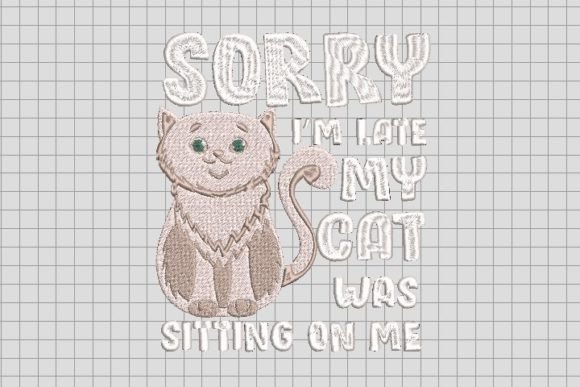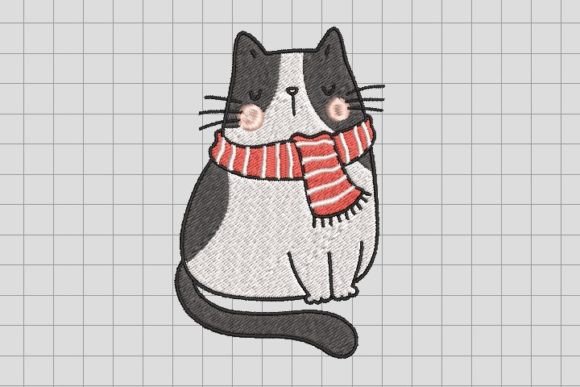
Cat with Christmas Scarf Embroidery File
As an embroidery designer who has spent years testing files for both personal projects and commercial product lines, I approach every new download with a mix of excitement and skepticism. When Cat with Christmas Scarf Embroidery File landed in my queue, I knew immediately that it had potential. It is not just another seasonal clipart; it carries a specific mood that resonates deeply with the current market trends for personalized gifts. In this review, I will walk you through my practical assessment of this design, focusing on how it performs as a finished product for gift shops, Etsy sellers, and handmade creators.
First Impressions: Charm and Emotional Appeal
The moment I opened the file in my digitizing software, the charm of the design was evident. The cat, wrapped snugly in a festive scarf, strikes a perfect balance between playful and cozy. For a personalized gift, emotional connection is everything. This design taps into the universal love for pets and the warmth of the holiday season simultaneously. It feels sweet without being overly saccharine and elegant enough to appeal to adult buyers, not just children.
The detail level is impressive for a machine embroidery design. The curve of the scarf suggests softness, which translates well when stitched. However, as any experienced maker knows, digital visuals do not always match the final stitched result. The initial mood is undeniably festive, making it an excellent candidate for Christmas decor or winter-themed items. It avoids looking cheap by maintaining clean lines, which is crucial for maintaining perceived value in your handmade product listings.
Application Scenarios for Gift Creators
One of the strongest aspects of Cat with Christmas Scarf Embroidery File is its versatility across different product categories. When planning a collection for the holiday season, having a design that works on multiple items reduces your production overhead while maximizing your catalog variety. Here is how I see this embroidery file performing in real-world scenarios:
- Baby Embroidery: A tiny version of this cat on a white muslin blanket creates an instant heirloom quality. Parents are drawn to designs that feel gentle and timeless. This file fits perfectly into the nursery decor category, offering a unique alternative to traditional angels or stars.
- Kitchen and Home Textiles: Stitching this onto an embroidered towel or a set of kitchen hand towels adds a touch of whimsy to daily routines. It serves as a great conversation starter at dinner parties. Similarly, placing it on a pillow cover in neutral tones can elevate a living room’s aesthetic during the holidays.
- Wedding and Family Keepsakes: While primarily seasonal, this design can be adapted for pet-loving couples. Imagine a wedding gift featuring the couple’s dog or cat in a similar style, or using this file for anniversary gifts for families who view their pets as children. It builds a strong narrative around family bonds.
- Fashion Accessories: For the Etsy seller looking to expand into apparel, this design works beautifully on tote bags, aprons, and even denim jackets. The contrast of the scarf against sturdy fabrics like canvas or chambray highlights the texture of the stitches.
Strategic Placement and Fabric Considerations
Not all surfaces are created equal. To ensure your finished product looks professional, you must consider where you place the design. I recommend avoiding areas with small lettering or extremely delicate details if you are working with textured fabrics like waffle-weave towels or thick chenille blankets. The fabric texture can obscure the finer points of the cat’s face or the scarf’s folds.
Stretchy baby clothes require careful handling. If you plan to embroider this on a onesie or a stretchy knit hat, you must use a high-quality tear-away or cut-away stabilizer to prevent puckering. Puckering ruins the illusion of quality and can lead to customer returns. Furthermore, dark fabrics demand a contrasting thread palette. If you stitch light-colored threads on a dark background without proper underlay, the design may look muddy. Always create a printable mockup or test stitch on scrap fabric that matches the weight and color of your final material.
Curved surfaces, such as the front of a baseball cap or the rounded edge of a pillowcase, present another challenge. The cat’s symmetrical pose might look distorted if the hoop does not sit flat. I advise checking the hoop size limitations of your machine and ensuring the design fits comfortably within the stable stitching area.
Impact on Brand Trust and Sales
In the world of online selling, visual presentation is key. A well-executed custom embroidery project signals attention to detail. When customers see a sharp, clean stitch on a blanket embroidery or a crisp outline on a pillow cover, they associate that precision with reliability. This directly impacts buyer engagement and trust.
Using a high-quality digital embroidery file like this one helps establish your brand as a serious player in the small shop product space. It moves you away from generic, mass-produced aesthetics toward curated, thoughtful merchandise. Customers are willing to pay a premium for items that feel personally crafted. The "funny and cute" aspect of the cat also encourages social sharing. Buyers love to post photos of their purchases on Instagram or Pinterest, providing you with free marketing. Ensure your product photography highlights the texture of the thread and the softness of the fabric to capture this engagement.
Practical Testing Protocol
Before committing to a full run of orders, I strongly advise following a strict testing protocol. First, confirm the commercial licensing terms. Even if you have purchased the file, verify that you are allowed to sell physical goods made from it. This protects your business from legal issues.
Next, test the thread colors. Screen colors can be deceiving. Stitch the design using the actual threads you intend to sell with. Check the stitch density; if the design is too dense, it may become stiff and uncomfortable, especially for baby items. If it is too sparse, the fabric may show through. Look for any loose threads or gaps in the satin stitches, particularly around the cat’s eyes and the scarf ends.
Finally, wash-test your sample. Personalized gifts often endure frequent washing. Run your test piece through a standard laundry cycle to see if the threads bleed or if the fabric distorts. If the design holds up, you can confidently list it as a durable, high-quality item. Remember, a happy customer is more likely to leave a positive review and return for future purchases, whether it is for a wedding gift or a holiday surprise.
In conclusion, Cat with Christmas Scarf Embroidery File is a versatile, emotionally resonant asset for any maker. By testing thoroughly and choosing the right materials, you can transform this digital file into a tangible treasure that brings joy to recipients and growth to your business.