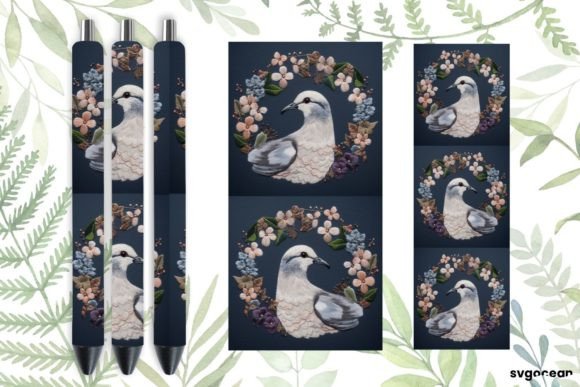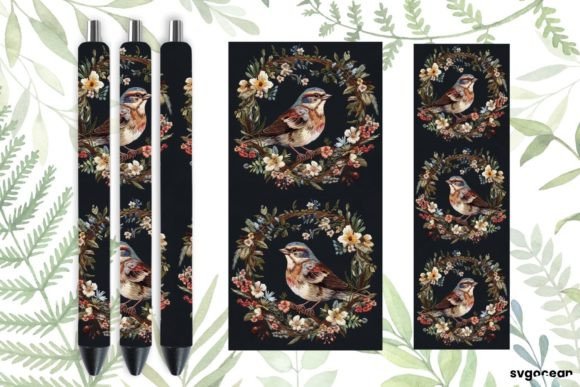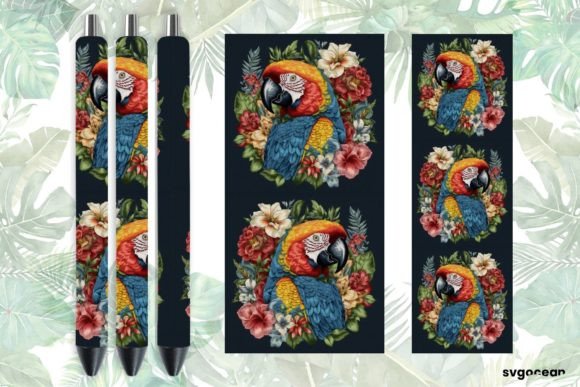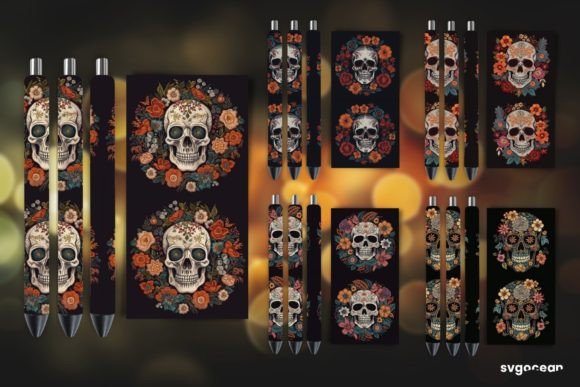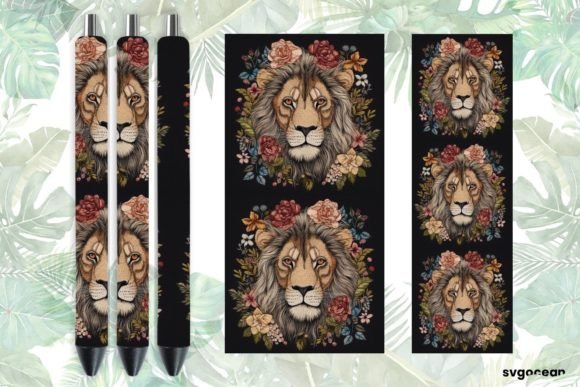
Embroidery Lion Pen Wraps Sublimation
As an embroidery designer who has spent years turning digital concepts into tactile, stitched reality, I approach every new design asset with a mix of creative excitement and critical scrutiny. When I first encountered the Embroidery Lion Pen Wraps Sublimation file, my immediate question was not just about its aesthetic appeal, but its viability for commercial application. For small business owners, Etsy sellers, and apparel decorators, the difference between a pretty image and a profitable product lies in execution. This review evaluates how this specific machine embroidery design performs when translated from a PNG preview to a finished, wear-ready piece of merchandise.
First Impressions: Visual Personality and Professionalism
The title alone suggests a dynamic composition. The term "Pen Wraps" implies a wrapping or encircling motif, while "Lion" introduces a strong, regal, and bold subject matter. In the context of Crafts and Graphics, this combination typically signals a design that is meant to be eye-catching without being overly cluttered. From a brand identity standpoint, a lion often conveys strength, courage, and premium quality. If your small business merch relies on projecting confidence—whether it’s a boutique coffee roaster, a rugged outdoor gear shop, or a high-end pet brand—this visual language aligns well with those values.
However, as a designer, I look past the concept to the execution. The provided files are high-resolution PNGs (450x1425 px and 750x1500 px at 300 DPI). While these dimensions are excellent for creating printable mockups to show clients, they do not tell the whole story of the stitch work. The initial impression is one of a modern, possibly geometric or stylized lion, rather than a hyper-realistic portrait. This is actually a positive indicator for embroidery, as simpler lines tend to digitize more cleanly than complex photographic details. It feels professional yet accessible, suitable for both corporate uniforms and handmade product labels.
Real-World Business Applications
The true test of any embroidery file is its versatility across different product types. Here is how Embroidery Lion Pen Wraps Sublimation could function in a real small business scenario:
- Embroidered Patches: This is perhaps the most versatile application. A wrapped lion design works exceptionally well as a chest logo accent on staff uniforms or as a detachable patch on denim jackets and tote bags. The wrapping nature of the design likely allows for a clean border, making it easy to apply as a standard patch size.
- Cap Embroidery: Caps require designs that conform to curved surfaces. If the "wrap" aspect of the design creates a circular or oval footprint, it will sit naturally on the front panel of a baseball cap. It offers a distinctive alternative to traditional straight-bar logos, helping brands stand out in crowded markets like craft fairs or local events.
- Apron Embroidery: For bakeries, florists, or cafes, branded aprons are walking billboards. Placing this design on the chest pocket or the bib area adds a touch of artisanal flair. The boldness of the lion ensures visibility even from a distance, reinforcing brand recognition among customers.
- Tote Bag Design: Canvas totes are a staple for handmade brands. A single, well-executed embroidered patch featuring this lion wrap can elevate a plain tote bag into a premium accessory. It suggests that the contents of the bag—and the brand behind it—are of high value.
- Custom Apparel and Work Shirts: For businesses that issue branded work shirts, this design provides a sophisticated logo option. It avoids the cliché of simple text-only logos, offering a graphic element that enhances the finished product’s perceived value.
Strategic Considerations and Limitations
No design is perfect for every surface. As you plan your production run, there are specific areas where Embroidery Lion Pen Wraps Sublimation requires careful handling:
- Small Patch Sizes: If you intend to use this as a tiny label on clothing tags or very small accessories, detail loss is a risk. Fine lines in the lion’s mane or facial features may merge together if scaled down too far. Always test the smallest intended size before mass production.
- Curved Surfaces: While caps are generally forgiving, items with extreme curvature or uneven textures may distort the "wrap" effect. Ensure your digitizer has accounted for stretch and compression in the design path.
- Stitch Density and Fabric Texture: High stitch density can make fabric stiff, which is undesirable for soft apparel. Conversely, low density might look sparse on textured fabrics like heavy canvas or fleece. You must match the design’s thread coverage to the material. On dark uniforms, ensure the thread colors provide sufficient contrast; otherwise, the design may disappear into the background.
- Frequent Washing: If this merchandise is destined for active use (like gym wear or heavy-duty work uniforms), the durability of the stitches is paramount. Complex wraps may snag if not properly backed with a stabilizer.
Impact on Brand Identity and Customer Trust
In the world of small business, consistency is key. Using a cohesive set of design assets helps build trust. When a customer sees the same lion motif on a hat, a tote, and an apron, it reinforces the brand’s professionalism. It signals attention to detail. A poorly executed embroidery job can undermine even the best products, but a clean, well-placed design like this one enhances the handmade product feel. It suggests that the business cares about the tactile experience of their customers, moving beyond mere utility to create an emotional connection.
Practical Designer Notes for Production
Before you send this file to the embroidery machine, follow these essential steps to ensure success:
- Test in Black and White: Convert the design to monochrome to check the balance and spacing. If it looks muddy in black and white, it will likely struggle in color.
- Check Thread Color Contrast: Review the suggested thread colors against your actual fabric swatches. Light threads on light fabrics will vanish; dark threads on dark fabrics may lack definition.
- Confirm Hoop Size: Verify that the design fits within your standard hoop sizes. If the "wrap" extends too wide, you may need a multi-hoop setup, which increases production time and cost.
- Use Proper Stabilizer: The choice of stabilizer (cut-away vs. tear-away) depends on the fabric. For stretchy knaps or heavy wovens, a cut-away stabilizer is usually necessary to prevent puckering over time.
- Create a Mockup: Use the provided high-res PNGs to create a realistic mockup. Show this to potential clients or stakeholders for approval before committing to bulk orders.
- Verify Commercial Licensing: This is critical. Ensure you have the right to sell physical goods made from this digital embroidery file. Check the terms of sale to confirm commercial usage rights.
Ultimately, Embroidery Lion Pen Wraps Sublimation offers a strong foundation for branding. Its bold imagery and adaptable layout make it a valuable addition to any embroiderer’s library. By paying attention to the technical details of stitch density, fabric choice, and stabilizer use, you can transform this digital asset into a tangible symbol of quality for your small business.