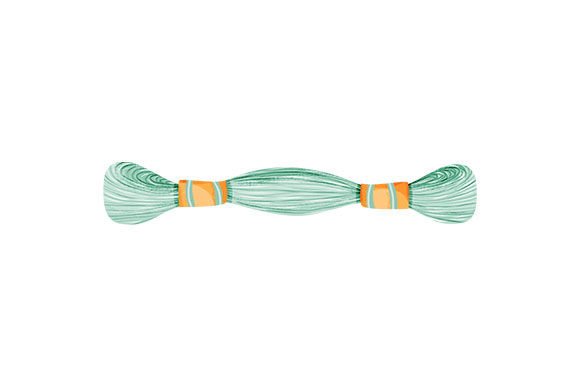
Embroidery Thread - Watercolor
As an embroidery designer who spends countless hours digitizing patterns and testing stitches on various fabrics, I am always looking for that perfect balance between artistic flair and technical precision. When I first encountered the Embroidery Thread - Watercolor design, I immediately thought of my upcoming limited drop for a boutique sweatshirt collection. The name itself suggests a soft, blended aesthetic, but does it hold up under the needle? Can it translate from a digital file to a tangible, high-quality garment that justifies a premium price tag? After running through a mental simulation of hooping, stitching, and styling, here is my honest review of how this piece fits into the world of commercial apparel.
First Impressions: Mood and Aesthetic
The moment you preview Embroidery Thread - Watercolor, the mood is undeniably gentle yet sophisticated. Unlike bold, graphic streetwear designs that scream for attention, this piece whispers elegance. It feels best suited for a boutique brand that targets customers looking for comfort with a touch of artistic refinement. The "watercolor" implication in the title suggests a design that utilizes varying stitch densities or perhaps a multi-color palette to mimic the bleed of paint on paper.
In terms of layout, the design appears to have a natural flow rather than a rigid geometric structure. This makes it incredibly versatile. It doesn’t feel overly cute or childish, nor does it come across as too rustic. Instead, it strikes a chord of modern minimalism with decorative elements. For a small clothing brand, this is gold. It allows the product to stand out in a crowded marketplace without relying on loud logos or aggressive typography. It feels like something a customer would wear to a coffee shop, a creative office, or a casual weekend outing—versatile enough for daily wear but special enough to be considered a statement piece.
Application on Sweatshirts and Hoodies
Sweatshirt embroidery presents unique challenges compared to t-shirts or caps. The fabric is thicker, often textured, and prone to stretching. Here is how Embroidery Thread - Watercolor performs across different scenarios:
- Neutral Sweatshirts: On heather grey, oatmeal, or cream hoodies, the design will pop beautifully. The neutral background acts as a canvas, allowing the thread colors to blend seamlessly. This combination screams "premium handmade product."
- Dark Fabric: If placed on black or navy oversized hoodies, the contrast becomes critical. You will need to ensure the lightest threads in the design are bright enough to cut through the darkness. However, if executed well, a watercolor effect on dark fabric creates a moody, atmospheric look that appeals strongly to younger demographics.
- Pastel Colors: Pastel pink or lavender sweatshirts paired with this design create a cohesive, monochromatic vibe. It enhances the softness of the garment, making it ideal for spring collections or gender-neutral lines.
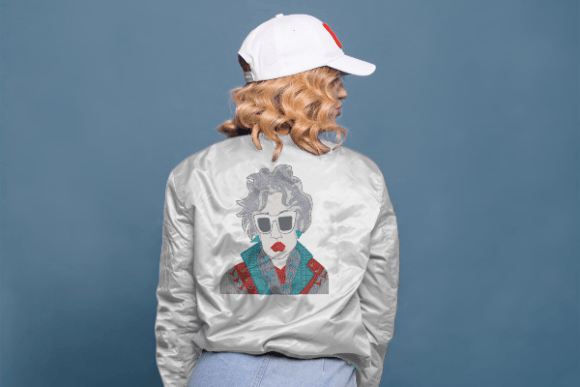
Placement is key. For a chest logo, Embroidery Thread - Watercolor works perfectly centered over the heart area. It adds a focal point without overwhelming the wearer. Alternatively, using it as a back design on an oversized hoodie offers a subtle surprise element. Customers love discovering details when they see someone from behind. It elevates the custom apparel from basic merch to a curated fashion item.
Technical Considerations for Commercial Use
For any Etsy seller or small shop product owner, the technical execution is what separates a hobbyist project from a professional offering. Here are the practical concerns I evaluated:
Stitch Density and Fabric Texture
Watercolor effects often rely on satin stitches or dense fill patterns to create color transitions. With sweatshirt embroidery, high density can cause the fabric to pucker, especially around the neck and cuffs. I recommend checking the stitch density of the file before production. If the design is too dense, consider using a lighter underlay or adjusting the tension. The goal is to maintain the soft hand-feel of the sweatshirt while ensuring the embroidery sits flat and durable.
Stabilizer Choice
Avoid tear-away stabilizers for heavy cotton blends. They can leave residue or weaken the fabric over time. Instead, opt for a high-quality cut-away stabilizer. This ensures that the Embroidery Thread - Watercolor design remains intact even after multiple wash cycles. Durability is a huge factor in buyer trust; nothing kills a brand’s reputation faster than peeling embroidery after one wash.
Hoop Size and Readability
Ensure the hoop size of the design matches your machine’s capabilities and the available space on the garment. If the design is large, it might dominate a standard crewneck sweatshirt. In such cases, scaling it down slightly for sleeve accents or pocket placements can add a nice touch of detail without being overpowering. Always test on scrap fabric first to check thread color contrast against your specific dye lots.
Impact on Brand Identity and Sales
Investing in a quality machine embroidery design like Embroidery Thread - Watercolor directly impacts your bottom line. Handmade goods command higher prices because they offer uniqueness and craftsmanship. When a customer sees a well-executed watercolor-style embroidery, they perceive value. It signals that care was taken in the creation process.
This design is particularly effective for lifestyle product photography. The soft aesthetics photograph beautifully on Instagram and Pinterest, driving organic traffic to your store. When you upload these images to your Etsy listing, the visual recognition helps customers connect emotionally with the product. It’s not just a sweatshirt; it’s a piece of wearable art. This emotional connection drives engagement and increases conversion rates.
File Formats and Versatility
One of the strongest advantages of acquiring Embroidery Thread - Watercolor is the variety of formats included. You will receive this design in the following formats SVG File Transparent PNG EPS DXF. This versatility allows you to use the design beyond just embroidery:
- Digital Sellers: Use the SVG or DXF files for cutting vinyl or creating print-on-demand assets.
- Mockup Creation: The transparent PNG is perfect for overlaying on digital mockups, saving you money on physical samples during the design phase.
- Vector Editing: The EPS and SVG files allow you to tweak colors or sizes in vector software before sending them to the digitizing software, ensuring perfect alignment with your brand guidelines.
However, remember that having the files is only step one. You must still verify the specific digitizing instructions, such as recommended thread types (e.g., rayon vs. polyester) and needle sizes. While the description confirms the digital assets, always check the accompanying documentation for specific commercial embroidery licenses or usage rights.
Final Verdict
For creators in the Hobbies and Crafts space who are ready to elevate their business, Embroidery Thread - Watercolor is a compelling choice. It bridges the gap between artistic expression and commercial viability. Whether you are decorating cozy seasonal apparel or adding a final touch to a new line of sustainable basics, this design adds a layer of sophistication that resonates with modern consumers.
It feels strong enough for daily wear, delicate enough for gifting, and versatile enough for various garment types. By integrating this embroidery file into your workflow, you are not just selling clothes; you are selling an experience. As long as you pay attention to technical details like stabilizer choice and stitch density, Embroidery Thread - Watercolor will help you create a finished product that stands out in the market and keeps customers coming back for more.