Floral Knitted Embroidery Review
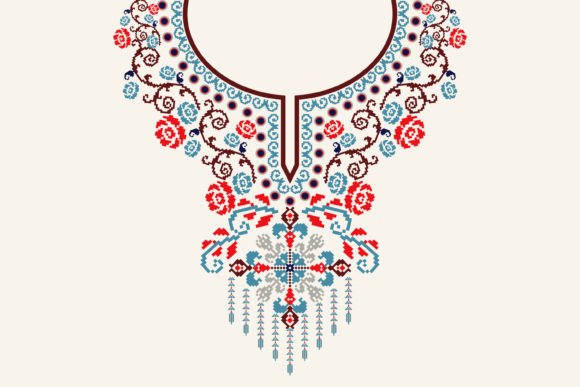
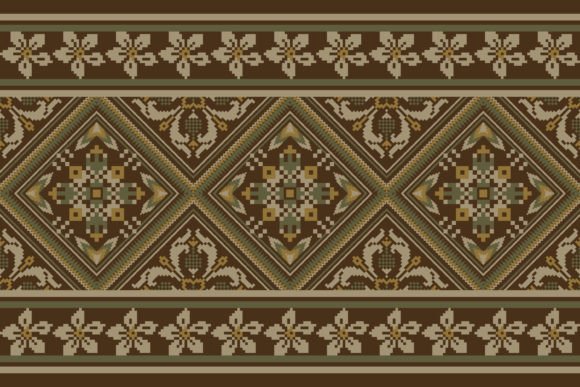
As an embroidery designer who has spent years turning digital concepts into tactile brand assets, I look at every new design file with a critical eye. We are not just looking for something pretty; we are looking for viability. Will it hold up on a cap? Will it read clearly on a tote bag? Does it elevate the perceived value of the merchandise? Today, I am reviewing Floral Knitted Embroidery, a graphic asset categorized under Patterns and Graphics, to determine its suitability for small business merchandise, branded patches, and professional uniform applications.
The product description is minimal, listing file details as -eps -jpg 6000 4000 pixel alongside a thank you note. While this lacks technical specifications like stitch count or hoop size, the visual potential of a "knitted" floral motif offers a unique texture that can bridge the gap between digital printing and traditional stitching. Let’s dive into how this design performs in real-world commercial scenarios.
First Impressions: Texture and Brand Personality
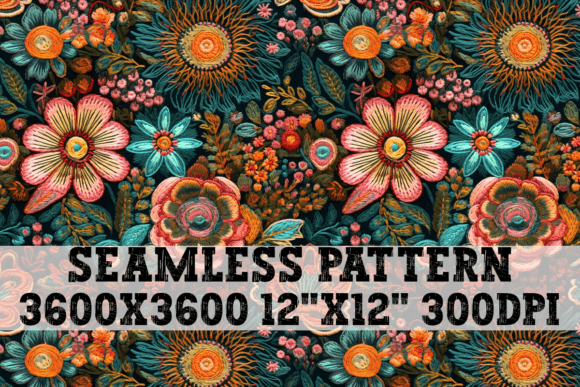
The title Floral Knitted Embroidery immediately suggests warmth, craftsmanship, and a handmade aesthetic. In the current market, consumers are drawn to brands that feel authentic and artisanal. This design likely mimics the interlocking loops of knitwear, which translates beautifully into embroidery because thread naturally creates linear, woven textures.
For a boutique bakery, a local florist, or a handmade candle shop, this design signals approachability without sacrificing elegance. It feels rustic yet refined. Unlike sharp, geometric vector art, a knitted floral pattern softens the brand identity, making it feel more personal and less corporate. For Etsy sellers and craft business assets, this visual language aligns perfectly with customer expectations of quality and care.
Real-World Business Applications
When evaluating a machine embroidery design for commercial use, versatility is key. Here is how Floral Knitted Embroidery can be deployed across various touchpoints:
- Embroidered Patches: This is perhaps the strongest use case. The intricate nature of a knitted floral pattern works well on square or circular patches sewn onto denim jackets, backpacks, or tool bags. It adds a premium focal point that customers love to display.
- Staff Uniforms and Aprons: For cafe owners and restaurant managers, subtle branding is crucial. Placing this design on the chest pocket of a white apron or the sleeve of a work shirt provides a sophisticated touch. It avoids the loudness of large logos while still reinforcing brand identity.
- Cap Embroidery: A smaller iteration of this floral motif can serve as a delicate accent on the side or back of a structured cap. It appeals to a fashion-forward demographic looking for custom apparel that isn’t overly branded.
- Tote Bag Design: Canvas totes are a staple for small business merch. A centered or corner-placed knitted floral embroidery adds weight and luxury to the bag, encouraging customers to reuse it and act as walking billboards for your brand.
- Product Packaging Accents: Beyond clothing, this design can be embroidered onto fabric gift tags, hang tags, or even the inside lining of packaging boxes. These details significantly boost unboxing experiences and customer trust.
Where to Exercise Caution
No design is perfect for every application. As a professional, I must highlight areas where Floral Knitted Embroidery might struggle if not handled correctly:
- Small Patch Sizes: If the original digital embroidery file contains fine details, scaling it down too small will result in a muddy mess. Ensure the design maintains clarity when reduced to one-inch sizes.
- Curved Surfaces: While caps and sleeves curve, extremely rounded objects like ball caps with deep crowns may distort intricate floral patterns. Test placement carefully.
- High Stitch Density: Knitted textures often require dense stitching to look realistic. On thin fabrics, this can cause puckering. Always assess the stitch density relative to the fabric weight.
- Dark Uniforms: If your staff wears dark uniforms, ensure the thread colors chosen for this design provide enough contrast. A light-colored knitted floral might get lost against black polyester unless a high-quality underlay is used.
- Frequent Washing: For items that undergo industrial laundering, such as restaurant aprons, ensure the design uses durable thread types (like rayon or polyester core-spun) to prevent fraying over time.
Impact on Brand Identity and Value
Investing in high-quality embroidery elevates a product from a commodity to a brand experience. When a customer sees Floral Knitted Embroidery on a tote bag or a cap, they perceive higher value. The texture implies effort and attention to detail, which translates directly to customer trust and recognition.
Furthermore, consistency matters. If this design is used across all design assets—from social media graphics to physical merchandise—it creates a cohesive visual language. The "knitted" theme suggests warmth and community, which is ideal for businesses focused on local engagement, handmade products, and personalized service.
Practical Designer Notes for Production
Before you commit to a production run, follow these essential steps to ensure success:
- Test in Black and White: Convert the design to grayscale first. This helps you evaluate the composition and balance without being distracted by color choices.
- Check Spacing and Outlines: Inspect the negative space within the floral elements. Are there gaps too narrow for standard needles? Are outlines thick enough to stand out?
- Confirm Hoop Size: Although the file details mention 6000 4000 pixel resolution, verify the actual digitized hoop size required. Ensure it fits your available embroidery machines.
- Use Proper Stabilizer: Knitted textures can pull fabric. Use a cut-away stabilizer for stretchy materials like jersey or fleece to prevent distortion during and after stitching.
- Create a Printable Mockup: Before embroidering expensive samples, create a printable mockup to visualize scale and placement on your specific merchandise.
- Verify Commercial Licensing: The description includes a thank you note but does not explicitly state licensing terms. Crucially, confirm commercial licensing before business use. You need assurance that you are legally allowed to sell products bearing this design.
- Thread Color Contrast: Experiment with thread colors that complement your brand palette. High contrast usually yields the best results for detailed designs.
In conclusion, Floral Knitted Embroidery holds significant promise for small business owners seeking to add a touch of artisanal charm to their merchandise. Its textured appearance enhances brand professionalism and customer engagement, provided it is executed with proper technical preparation. By testing thoroughly and respecting the limitations of stitch density and fabric type, you can transform this graphic into a powerful tool for commercial embroidery and lasting brand loyalty.