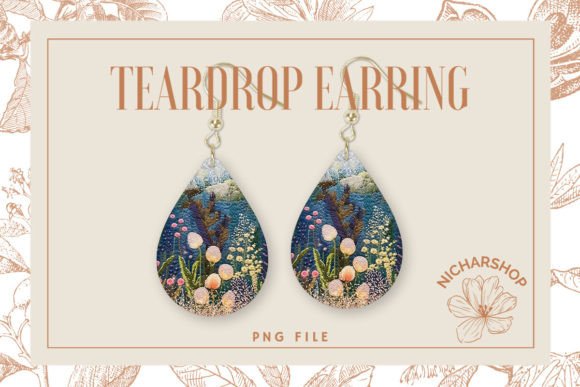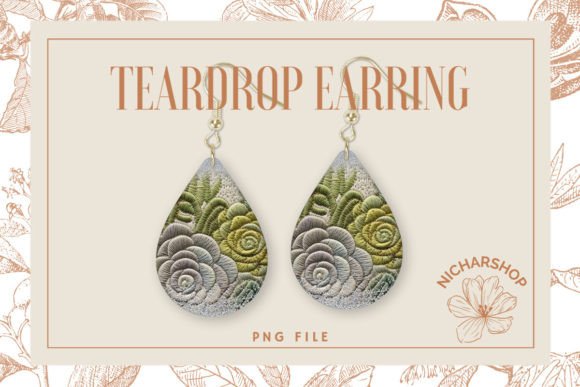
Flower Embroidery Wind Spinner Template Review
In the world of small business branding, visual consistency is everything. As an experienced embroidery designer who has spent years translating digital concepts into tangible thread, I approach every new asset with a critical eye. Today, I am reviewing the Flower Embroidery Wind Spinner Template. While the product description clarifies that this is a digital PNG file intended for sublimation or graphic design rather than a direct machine embroidery file, its potential as a foundational design asset for custom apparel and branded merchandise is significant. This review evaluates how this specific floral motif can be integrated into professional embroidery projects, from staff uniforms to high-end embroidered patches.
First Impressions: Visual Personality and Brand Fit
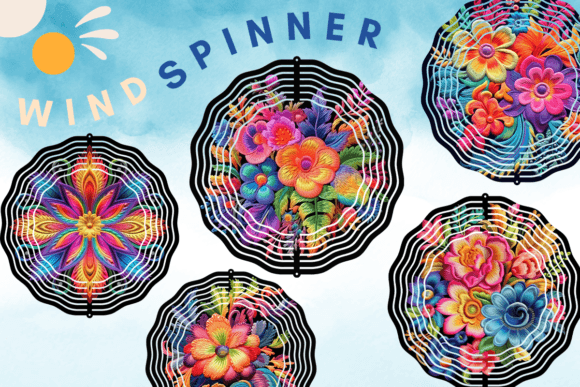
The title Flower Embroidery Wind Spinner Template suggests movement, organic flow, and a touch of whimsy. For a boutique owner, handmade brand, or creative studio, this immediately signals a design that is friendly, elegant, and perhaps slightly rustic or modern depending on the line weight. Unlike rigid geometric logos, a wind spinner-inspired floral design implies rotation and life. It feels premium yet approachable, making it an excellent candidate for businesses that want to convey warmth and craftsmanship.
However, because this is a Print Templates category item in the Graphics sector, we must look past the static image. The first impression is one of versatility. The design likely features sweeping curves and layered petals that mimic the motion of a spinner. This fluidity translates beautifully into thread work, provided the density is managed correctly. It feels less like a corporate stamp and more like a handmade product accent, which resonates deeply with Etsy sellers and craft business assets looking to stand out.
Real-World Application in Small Business Merch
So, where does this design shine? In my experience, the Flower Embroidery Wind Spinner Template excels when adapted into specific merch categories. Here is how it performs in real business use:
- Embroidered Patches: The circular or radial nature of a "wind spinner" design often lends itself perfectly to patch shapes. Whether used as a chest logo accent or a sleeve detail, the design’s symmetry ensures it looks balanced even when cropped. It adds a distinct brand identity marker that customers recognize instantly.
- Apron Embroidery: For bakeries, florists, or café owners, placing this floral motif on the bib of a chef’s apron elevates the uniform. It softens the utilitarian look of workwear while maintaining professionalism. The organic lines complement the natural ingredients or flowers these businesses handle.
- Cap Embroidery: A smaller iteration of this design works exceptionally well on the front panel of baseball caps or beanies. The curvature of the cap naturally enhances the "spinner" aesthetic, creating a dynamic 3D effect as the viewer moves.
- Tote Bag Design: When digitized for larger formats, such as canvas tote bags, the design becomes a statement piece. It serves as a walking advertisement for the brand, offering high visibility and aesthetic appeal that encourages social media sharing.
- Product Packaging Accents: Beyond fabric, this digital embroidery file concept can inspire woven labels or printed tags attached to finished goods, ensuring visual consistency across all touchpoints.
Strategic Considerations and Limitations
While the aesthetic appeal is high, an embroidery designer must be cautious about technical execution. Not every surface or size is suitable for this level of detail.
Small Patch Sizes: If you intend to scale this design down to a tiny pocket square or a miniature label, you risk losing definition. Fine details may merge into a muddy blob if the stitch count is too high for the available space. Always test at the actual production size before committing to bulk orders.
Curved Surfaces: While caps are great, highly curved items like cylindrical sleeves or rounded necklines can distort the radial balance of a wind spinner design. The perspective shift might make the "spin" look uneven. Flat surfaces like chest panels or flat-brimmed hats are safer bets.
Thread Color Contrast: Floral designs often rely on subtle shading. On dark uniforms, you will need underlay stitches to prevent show-through, and you must select bright, opaque thread colors to ensure the flower pops. On textured fabrics like heavy denim or bouclé, fine outlines may get lost in the weave.
Frequent Washing: For items like aprons or work shirts that undergo industrial laundering, dense satin stitches around the edges of the petals may pucker over time. Simplifying the outline or using a tighter zigzag fill can improve durability.
Impact on Brand Identity and Customer Trust
Investing in high-quality custom apparel and branded goods is not just about decoration; it is about building trust. When a customer sees a cohesive, professionally executed Flower Embroidery Wind Spinner Template on your merchandise, it signals attention to detail. It suggests that your business cares about the quality of its own products, which indirectly boosts confidence in the products you sell.
This design promotes a sense of visual consistency. By using the same floral motif across your website graphics (via the provided PNGs) and your physical embroidery, you create a seamless brand experience. This repetition reinforces recognition. Furthermore, the handmade feel of embroidery combined with the artistic flair of the spinner design appeals to buyers who value artisanal quality over mass-produced perfection. It enhances buyer engagement by inviting closer inspection—the kind of detail that prompts a customer to ask, "Where did you get that?"
Practical Designer Notes for Production
Before you send this design to the shop floor, follow these essential steps to ensure a successful outcome:
- Test in Black and White: Convert the design to grayscale to check contrast levels. If the elements blend together without color, they will fail in embroidery.
- Check Stitch Density: Ensure the design does not have excessive overlapping stitches that could cause fabric distortion or needle breakage. Adjust the density settings if digitizing manually.
- Review Thread Color Contrast: Select threads that offer high contrast against your base fabric. Light flowers on dark fabric require careful underlay planning.
- Inspect Spacing: Verify that there is enough distance between separate elements to prevent tangling during automated stitching.
- Confirm Hoop Size: Ensure the final design fits within your standard hoop dimensions. Large, intricate spinners may require multiple hooping angles.
- Test on Real Fabric: Never trust a screen preview alone. Run a sample on the actual material you plan to use to check for puckering, transparency, or texture clashes.
- Use Proper Stabilizer: Choose a cut-away or tear-away stabilizer appropriate for the fabric weight to support the stitch density.
- Create a Mockup: Use the provided printable mockup capabilities to visualize the design on different products before investing in physical samples.
- Compare Beside Other Assets: Place the design next to your existing logo and typography to ensure it complements rather than competes with your primary brand marks.
- Confirm Commercial Licensing: Since this is a digital embroidery file or graphic template, verify the license terms allow for commercial use on merchandise you intend to sell. Do not assume default rights.
The Flower Embroidery Wind Spinner Template offers a versatile, visually engaging foundation for small business merchandising. By understanding its strengths in branding and its limitations in technical execution, you can transform this digital graphic into a powerful tool for professional commercial embroidery success.