Sunset Embroidery: A Designer’s Review for Summer Markets
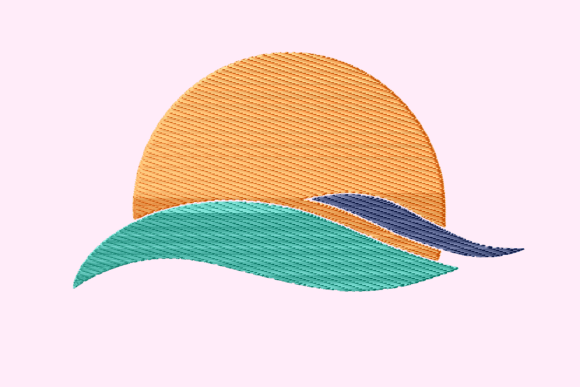
As an embroidery designer who spends weekends setting up booths and weekdays managing digital storefronts, I have learned that not every design translates well from the screen to the sales floor. Some designs look beautiful in a thumbnail but fall flat under real-world lighting. Others are too complex to produce efficiently. When I first encountered Sunset Embroidery, my immediate reaction was one of cautious optimism. The description promises "summer inspirational moments" and highlights a "beautiful satin stitch," which suggests a design focused on color and flow rather than intricate detail. But does it hold up when you are stitching out fifty units for a craft fair? Let us break down the practical realities of using this design for your handmade business.
First Impressions and Visual Appeal
The title Sunset Embroidery evokes warmth, nostalgia, and the relaxed pace of summer holidays. From a branding perspective, this is a strong starting point. Customers at craft fairs are often looking for items that make them feel good—products that remind them of vacations, golden hours, and slow mornings. If the design leverages a gradient or a bold color palette typical of a sunset, it will likely stand out against neutral fabrics like canvas, linen, or white cotton.
However, the mention of a "beautiful satin stitch" requires scrutiny. Satin stitches are excellent for creating smooth, glossy surfaces that catch the light, making them perfect for focal points. But they can be tricky. If the design relies heavily on dense satin areas without enough fill or running stitches to break them up, it may look bulky or puffy on lightweight fabrics. For a tote bag design or apron embroidery, this texture can add premium value, but only if the stitch density is managed correctly. If the design feels too heavy, it might overwhelm smaller products like embroidered patches or small pouches.
Product Suitability and Market Fit
When planning a booth display, versatility is key. You want designs that work across multiple product categories to maximize your inventory efficiency. Here is how Sunset Embroidery performs on common craft fair staples:
- Tote Bags and Market Bags: This is the ideal home for a large, colorful design. Canvas totes provide a sturdy base that can handle the weight of a saturated satin stitch. The contrast between the rustic fabric and the sleek embroidery creates a visual tension that buyers love. It serves as a great tote bag design for summer outings.
- Aprons and Tea Towels: Kitchen textiles are high-volume sellers. For apron embroidery, ensure the design placement allows for easy viewing while cooking. On tea towels, the design should be centered or placed asymmetrically for a modern farmhouse look. Be mindful of fabric texture; terry cloth or highly textured towels can distort satin stitches, so test thoroughly before bulk production.
- Caps and Patches: Curved surfaces like baseball caps present a challenge. A large, dense design may not lay flat on the front panel. If the Sunset Embroidery file has a compact shape, it could work well as a cap accent. Alternatively, digitize it as an embroidered patch to iron or sew onto hats, jackets, or denim vests. This adds flexibility and reduces hoop alignment issues.
- Pillow Covers and Home Decor: Soft furnishings allow for larger scale. A pillow cover featuring this design can become a statement piece. Ensure the design scales well; if it contains tiny details, they may get lost in the weave of upholstery fabric.
Production Practicalities for Sellers
For Etsy sellers and small shop owners, time is money. You need a digital embroidery file that stitches out quickly and reliably. Before committing to a full run, consider these production factors:
- Stitch Density and Speed: Check the stitch count. High-density satin stitches take longer to embroider, increasing your labor cost per unit. If the design is too dense, it may also cause needle breaks or thread jams, especially on thick fabrics. Aim for a balance where the design looks solid but doesn’t bog down your machine.
- Hoop Size and Alignment: Confirm the required hoop size. If the design is very large, you may need a multi-hooped approach, which increases setup time and the risk of misalignment. Smaller designs are easier to manage and allow for faster turnaround during busy market seasons.
- Thread Contrast: The success of a sunset-themed design relies heavily on color. Test various thread colors against your target fabrics. A bright yellow or orange may disappear on a cream background, while a deep purple might blend into navy. Use a printable mockup or stitch a sample on scrap fabric to verify contrast before buying bulk thread.
- Stabilizer Selection: The choice of stabilizer is critical. For lightweight fabrics like tea towels, use a cut-away stabilizer to prevent puckering. For heavier materials like denim or canvas, a tear-away may suffice. Using the wrong stabilizer can ruin the drape of your finished product.
Photography and Online Presentation
In the digital marketplace, your photos sell the product before the customer even sees it in person. Sunset Embroidery offers a distinct advantage here: its warm tones photograph beautifully. Natural light enhances the saturation of sunset colors, making the embroidery pop in images. However, avoid harsh shadows that can obscure the details of the satin stitch.
Create lifestyle shots that show the product in use—a tote bag filled with beach essentials, an apron worn in a sunny kitchen, or a pillow on a patio chair. These contextual images help customers visualize the item in their own lives, boosting conversion rates. Also, include close-up shots that highlight the quality of the stitching. Buyers want to see that the threads are tight and the edges are clean, which signals professionalism and durability.
Final Verdict and Recommendations
Sunset Embroidery has the potential to be a standout item for summer markets, provided you execute the production carefully. Its thematic relevance to summer and holidays makes it emotionally appealing to buyers. The satin stitch finish adds a touch of elegance that elevates simple products like tote bags and aprons.
To ensure success, follow these final tips:
- Test First: Always stitch a test sample on the actual fabric you plan to sell. Check for any distortion or loose threads.
- Review Licensing: Confirm commercial licensing terms before selling finished products. Unauthorized use of embroidery designs can lead to legal issues.
- Batch Production: Once you have perfected the setup, batch-produce your items to save time. Organize your thread spools and stabilizers for quick changeovers.
- Engage Buyers: At craft fairs, tell the story behind the design. Explain why you chose the sunset theme and how it represents summer inspiration. Personal connection drives sales.
By paying attention to these details, you can turn Sunset Embroidery into a profitable addition to your handmade product line. Whether you are an experienced Etsy seller or just starting out with your first craft fair booth, this design offers a versatile foundation for creating beautiful, market-ready items. Remember, the key to a successful handmade business lies in the quality of execution and the authenticity of your brand story. Happy stitching!