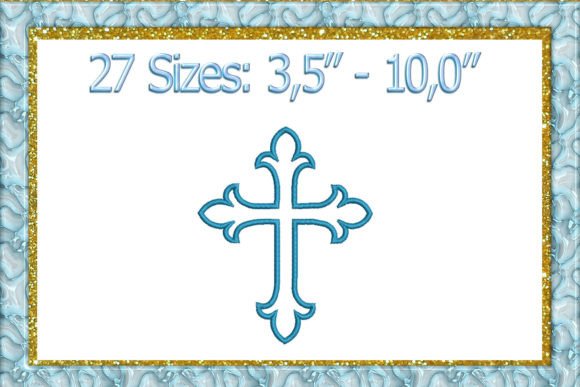
Sword Eye Embroidery Design Review
As an embroidery designer who has spent years turning digital concepts into tangible brand assets, I approach every new design file with a mix of creative excitement and practical skepticism. When I first encountered the Sword Eye Embroidery design, my immediate thought was not about home decor or hobbyist projects, but rather: "How does this perform on merchandise?" For small business owners, Etsy sellers, and apparel decorators, the difference between a cute pattern and a profitable product lies in execution, versatility, and brand alignment.
This review evaluates Sword Eye Embroidery specifically through the lens of commercial application. We will explore its potential as a branded patch, a uniform accent, and a key element in your small business merch strategy. While the description highlights it as a "cool and simple" design meant to help create striking items, we need to dig deeper into how that simplicity translates to high-quality commercial embroidery.
First Impressions: Visual Personality and Brand Fit
The title Sword Eye Embroidery suggests a blend of strength, focus, and perhaps a touch of mystique or edginess. In the world of branding, visual personality is everything. A design that feels too delicate may get lost on a heavy canvas tote, while one that is overly aggressive might alienate a boutique bakery clientele. This design appears to strike a balance—bold enough to command attention, yet simple enough to remain legible at various scales.
For a creative studio or a pet brand looking for something unique, this design offers a modern aesthetic that stands out from the usual floral or script motifs. It feels premium and intentional. The "simple" nature mentioned in the product description is actually a strategic advantage. In embroidery file creation, less is often more. Simplicity ensures cleaner stitches, fewer thread breaks, and a faster production time, which directly impacts your profit margins when producing bulk orders.
Real-World Applications for Small Businesses
So, where does Sword Eye Embroidery truly shine? Let’s look at specific use cases for entrepreneurs and product designers.
Branded Patches and Badges
One of the most lucrative applications for this design is the creation of custom embroidered patches. Whether you are outfitting staff for a local café, creating badges for a craft fair booth, or adding a logo to the sleeve of a work shirt, this design’s clean lines make it ideal for patch construction. The strong contrast likely inherent in the design allows it to hold its shape well, even when cut out and sewn onto other garments. It serves as a powerful tool for brand identity, ensuring that your team looks cohesive and professional.
Caps and Headwear
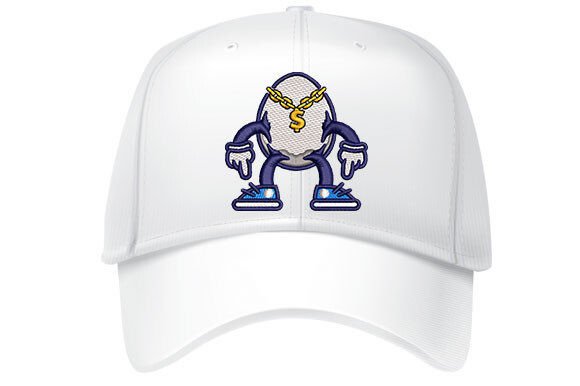
Cap embroidery is a staple in promotional products. The front panel of a baseball cap or the side of a trucker hat requires a design that is compact but impactful. If the hoop size of Sword Eye Embroidery is manageable, it could serve as a striking chest logo or a subtle side accent. However, remember that curved surfaces can distort fine details. The "simple" aspect of this design is crucial here; complex backgrounds might warp around the curve of the cap, whereas a bold central motif will remain crisp.
Tote Bags and Aprons
For handmade brands and boutiques, tote bag design and apron embroidery are essential revenue streams. A single, well-placed embroidered mark can elevate a plain canvas tote from a generic giveaway to a desirable fashion accessory. Similarly, for bakeries or florists, an apron featuring Sword Eye Embroidery adds a layer of artisanal credibility. Customers trust businesses that pay attention to detail, and high-quality embroidery signals that care.
Product Packaging and Labels
Don’t overlook the power of branding on packaging. Small labels sewn onto garment tags, jewelry boxes, or candle jars can turn a standard item into a branded experience. If the design scales down effectively, it can function as a tiny, sophisticated label that reinforces visual consistency across all your design assets.
Strategic Considerations and Limitations
While the potential is high, no design is perfect for every scenario. As a designer, I must advise caution in certain areas to ensure customer satisfaction and reduce returns.
- Small Patch Sizes: Always test the design at its smallest intended scale. If the eye of the sword becomes indistinguishable, the design loses its impact. Ensure there is enough negative space so the motif doesn’t bleed together.
- High Stitch Density: Check the stitch density before committing to large runs. High density can cause fabric puckering, especially on lightweight materials like thin cotton tees or silk. If the design is dense, consider using a heavier fabric or a stronger stabilizer.
- Fabric Texture: The finish of the final product depends heavily on the base material. On a rough burlap sack, the definition might be lost. On smooth twill or high-quality cotton, it will pop. Test on your actual fabric texture before mass production.
- Detailed Outlines: If the design relies on very thin outlines, these can sometimes break during the hooping process or wear down faster than filled areas. Inspect the digitizing for any weak points in the outline structure.
Impact on Brand Identity and Customer Trust
In the digital age, physical touchpoints matter more than ever. An embroidered item provides a tactile connection to your brand. When a customer receives a tote bag or wears a cap with Sword Eye Embroidery, they are engaging with your brand in a multi-sensory way. This builds customer trust and recognition. It shows that you invest in quality, which justifies a higher price point for your handmade product line.
Furthermore, consistency is key. If your logo, website, and physical merchandise all share a similar visual language, you create a memorable brand experience. Using a versatile design like this across multiple touchpoints—from social media graphics to physical goods—strengthens your market presence.
Practical Designer Notes for Production
Before you upload Sword Eye Embroidery to your machine for the first batch, follow these essential steps:
- Test in Black and White: Convert the design to grayscale to check contrast. If it lacks contrast in monochrome, it may lack impact in color.
- Check Thread Color Contrast: Choose threads that stand out against your target fabric. Dark blue on black might disappear; bright gold on white might glare. Experiment with thread colors to find the right mood.
- Confirm Hoop Size: Ensure the design fits within your machine’s standard hoops. If it requires a specialized frame, factor that into your production costs.
- Use Proper Stabilizer: Never skip the stabilizer. It supports the fabric and prevents distortion. For stretchy fabrics, use tear-away or cut-away stabilizers depending on the garment type.
- Create a Printable Mockup: Before cutting fabric, generate a printable mockup. Show this to clients or stakeholders for approval. It saves time and materials if adjustments are needed.
- Verify Commercial Licensing: Most importantly, confirm the commercial licensing terms of the digital file. Can you sell unlimited quantities? Is attribution required? Protect your business by having clear rights to use the asset.
The Sword Eye Embroidery design holds significant promise for businesses looking to add a distinctive, professional touch to their merchandise. By understanding its strengths, respecting its limitations, and planning carefully, you can transform this digital file into a powerful tool for growth. Remember, the goal is not just to embroider a picture, but to embed your brand story into every stitch.