Chef with Bread Embroidery Design Review
As an embroidery designer who spends countless hours evaluating digital files for seasonal collections, I am always on the lookout for designs that balance charm with commercial viability. When I first reviewed the Chef with Bread Embroidery Design, it immediately caught my attention not just for its subject matter, but for its potential to resonate deeply with holiday shoppers and everyday gift buyers alike. This design is more than a simple graphic; it is a statement piece that speaks to the heart of home cooking, warmth, and hospitality. For Etsy sellers, small business owners, and crafters planning their inventory for the upcoming holidays, this file offers a unique opportunity to capture the "cozy kitchen" aesthetic that has become increasingly popular in recent years.
First Impressions: Mood and Aesthetic Appeal
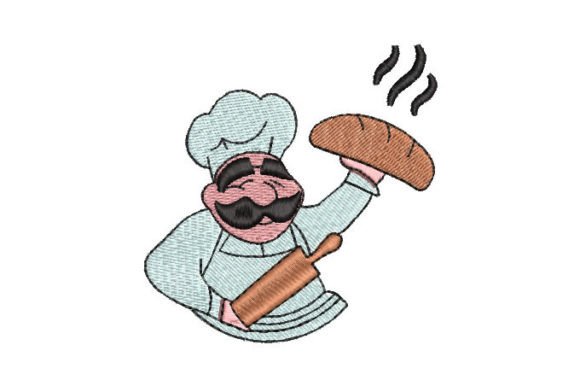
The initial visual impact of the Chef with Bread Embroidery Design is one of rustic elegance and playful nostalgia. The imagery evokes a sense of comfort, reminiscent of family gatherings, Sunday dinners, and the joy of baking. From a design perspective, the composition feels balanced and inviting. It avoids being overly cluttered, which is crucial for maintaining clarity when stitched onto various fabric textures. The style leans towards a modern-retro vibe, making it versatile enough to appeal to both younger demographics looking for trendy kitchen decor and older customers who appreciate traditional craftsmanship.
This emotional connection is vital during the holiday season. Shoppers are not just buying a product; they are buying a feeling. A design featuring a chef holding bread suggests abundance, nourishment, and care. It transforms a plain cotton towel or a heavy sweatshirt into a meaningful token of appreciation. Whether used as a personalized gift for a new homeowner or a festive addition to a baker’s wardrobe, the design carries a weight of sentimentality that drives engagement. It fits perfectly into the broader trend of "slow living" and appreciating the art of homemade food, making it a strong contender for any seasonal embroidery collection.
Strategic Product Applications for Holiday Sales
One of the most compelling aspects of this design is its versatility across multiple product categories. In my experience, the most successful small shop products are those that can be adapted to various price points and use cases. Here is how I envision integrating the Chef with Bread Embroidery Design into a cohesive holiday line:
- Kitchen Textiles: This is the most obvious and high-demand application. Stitching this design onto high-quality kitchen towel embroidery pieces creates an instant bestseller. The contrast of white thread on navy blue or red towels screams holiday cheer. It also works beautifully on flour sack towels, which are currently trending among home cooks.
- Apparel and Wearables: Beyond standard t-shirts, consider placing this design on premium cotton blends or fleece for sweatshirt embroidery. The cozy nature of the design pairs well with winter fabrics. It is also ideal for durable canvas aprons, which serve as both functional tools and fashion statements in the kitchen.
- Home Decor Accents: Expanding into hard goods and soft furnishings, this design shines on pillow covers. A pair of embroidered pillows with this motif adds a touch of whimsy to a dining room or breakfast nook. It also translates well to tote bags, creating a practical tote bag design for grocery shopping or farmers market visits.
- Gift Sets and Ornaments: For the ultimate handmade gift, create bundles. Pair a small embroidered patch version with a jar of artisanal pasta sauce or a set of wooden spoons. Additionally, scaling down the design for ornament creation offers a low-cost entry point for budget-conscious shoppers.
Technical Considerations and Execution Quality
While the artistic vision is strong, the success of any machine embroidery design relies heavily on technical execution. As we prepare to add this to our catalog, several practical notes must be addressed to ensure customer satisfaction and reduce returns.
First, stitch density is paramount. Designs involving detailed elements like facial features or intricate bread textures can become muddy if the stitch density is too high, especially on softer fabrics. We must test the file to ensure that the details remain crisp without causing the fabric to pucker. If the design includes tiny lettering or fine lines, we need to verify that these elements hold up after repeated washing. Customers expect durability, particularly with items like aprons and towels that undergo frequent laundering.
Another critical factor is the choice of thread colors. While the digital preview might show vibrant hues, the physical result depends on the sheen and opacity of the threads used. I recommend testing on both light and dark fabrics to determine the optimal color palette. For a holiday theme, metallic golds or deep burgundies could elevate the design from cute to premium. However, using metallic thread requires careful tension adjustments and potentially a different needle type to prevent breakage.
We must also consider the hoop size limitations. If the design is large, it may require multi-hoop stitching, which increases production time and labor costs. For smaller items like baby onesies or petite handkerchiefs, we need to confirm that the design scales down effectively without losing its character. Using the correct stabilizer is equally important; cut-away stabilizers are generally recommended for stretchy garments like sweatshirts to prevent distortion, while tear-away stabilizers work well for stable woven fabrics like dish towels.
Avoiding Common Pitfalls
There are specific scenarios where this design should be used with caution. Avoid attempting to embroider this on highly textured fabrics like heavy waffle-weave towels without proper backing, as the texture can obscure the design details. Similarly, applying this to curved surfaces like baseball caps requires precise digitizing to ensure the image sits flat and does not twist. Dark fabrics present another challenge; unless you use underlay stitches to block the base color, lighter thread colors may appear washed out or transparent.
Marketing and Visual Presentation
In the digital marketplace, visual recognition is key. When creating printable mockup assets for social media and Etsy listings, focus on lifestyle contexts. Show the Chef with Bread Embroidery Design in action—perhaps on a towel hanging next to a loaf of freshly baked bread, or on an apron worn by someone chopping vegetables. These contextual images help potential buyers visualize the product in their own homes, increasing the likelihood of conversion.
Furthermore, emphasize the gifting aspect in your product descriptions. Use keywords such as commercial embroidery opportunities, digital embroidery file compatibility, and holiday embroidery inspiration. Highlighting the design’s suitability for family matching items can also drive bulk purchases, as parents often look for coordinated outfits or home accents during the festive season.
Final Verdict and Next Steps
The Chef with Bread Embroidery Design is a robust, emotionally resonant asset that deserves a prominent spot in any seasonal collection. Its ability to bridge the gap between functional kitchenware and decorative home art makes it a valuable tool for Etsy sellers and independent designers. By paying close attention to technical details like stitch density, thread selection, and stabilizer usage, we can ensure that every finished product meets the highest standards of quality.
Before launching, remember to review the specific licensing terms associated with the embroidery file to confirm commercial embroidery rights. Additionally, always advise your customers to check their machine’s capabilities regarding hoop size and fabric compatibility. With proper preparation and strategic marketing, this design has the potential to become a standout hit, driving sales and building brand loyalty throughout the holiday period and beyond.