Ghost Embroidery Design Review
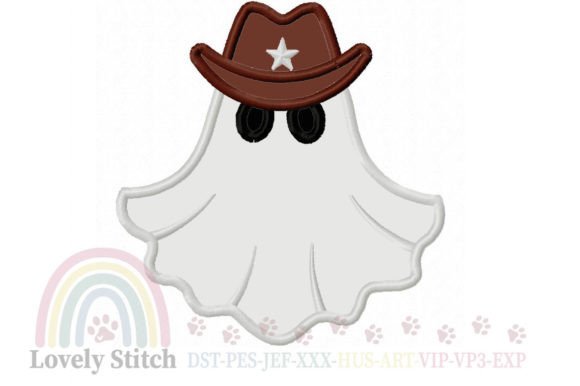
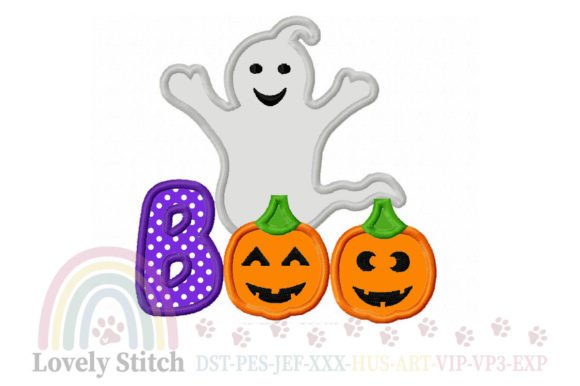
As an experienced embroidery designer, I spend my days evaluating digital assets not just for their aesthetic appeal, but for their viability in commercial production. When a client asks me to review a Ghost Embroidery Design for potential use in small business merchandise, branded patches, or uniform accents, I look beyond the visual charm and assess its technical execution and brand applicability. The Halloween Appliqué Embroidery Design featuring a Ghost, Boo, and Pumpkin is often cited as a delightful and charming pattern that captures the playful spirit of Halloween. But does it hold up under the scrutiny of professional merchandising? Let’s break down how this design performs in real-world business applications.
First Impressions: Playful Yet Professional
The first thing you notice about the Ghost Embroidery Design is its personality. It avoids the overly spooky or aggressive aesthetics common in seasonal decor, opting instead for a friendly, approachable vibe. For small business owners—whether you run a boutique bakery, a creative studio, or a handmade pet brand—this tone is crucial. It signals warmth and inclusivity, which can significantly enhance customer engagement during the fall season.
Visually, the combination of the ghost, the word "Boo," and the pumpkin creates a balanced composition. However, from a design perspective, the challenge lies in ensuring that this trio doesn’t feel cluttered. A successful machine embroidery design must maintain clarity even when scaled down. If the spacing between the elements is too tight, the individual characters may merge into an indistinct blob on smaller items like cap fronts or tiny product labels. The design feels modern and clean, making it suitable for brands that want to participate in seasonal trends without looking dated or overly crafty.
Real-World Business Applications
One of the most compelling aspects of this Ghost Embroidery Design is its versatility across various product categories. Here is how it translates into tangible business assets:
- Embroidered Patches: This design is ideal for creating sew-on or iron-on patches. Small businesses often use these for limited-edition drops or as loyalty rewards. The appliqué nature mentioned in the description suggests a layered look that adds texture and depth, making the patch feel premium rather than mass-produced.
- Staff Uniforms and Aprons: For cafes, bakeries, or florists, adding a subtle seasonal touch to staff uniforms can boost team morale and customer recognition. Placing the Ghost Embroidery Design on the chest pocket of a black apron or the sleeve of a work shirt provides a professional yet festive accent. It transforms standard custom apparel into branded experiences.
- Tote Bags and Caps: These are staple items for small business merch. The design works well as a central focal point on canvas tote bags, reinforcing brand identity through repeated exposure. On caps, however, size constraints become critical. The design must be digitized carefully to fit within standard cap embroidery dimensions without losing detail.
- Product Packaging Accents: Beyond clothing, this design can be embroidered onto hang tags, gift boxes, or fabric labels attached to products. Adding a tactile element like embroidery to packaging elevates the perceived value of the handmade product, encouraging customers to share their unboxing experience on social media.
Strategic Brand Identity Building
Using a cohesive embroidery file like this one helps establish visual consistency. When customers see the same playful ghost motif on your Instagram posts, your website, and your physical merchandise, it reinforces brand recall. It shows attention to detail and a commitment to quality. In the competitive landscape of Etsy sellers and digital embroidery file buyers, this level of polish can be the difference between a casual browser and a loyal repeat customer. The design supports a narrative of care and creativity, which resonates deeply with buyers who value artisanal craftsmanship.
Technical Considerations and Risk Management
While the Ghost Embroidery Design has strong potential, there are specific areas where caution is required. As a designer, I always advise clients to test rigorously before committing to bulk production.
- Small Patch Sizes: If you plan to produce patches smaller than 2 inches, the details of the ghost and the text "Boo" may become illegible. Fine lines and tiny curves tend to fill in with thread, creating a muddy appearance. Always inspect the spacing and confirm hoop size limitations before finalizing the design.
- Curved Surfaces: Embroidering on curved surfaces like cap fronts or rounded tote bag corners requires specialized techniques. The design must be stabilized properly to prevent puckering. Using the wrong stabilizer can distort the shape of the ghost, ruining the professional finish.
- Fabric Texture and Color Contrast: The effectiveness of the design relies heavily on thread colors against the background fabric. On dark uniforms or textured fabrics, light-colored threads might get lost. Conversely, dark threads on black fabric offer no visibility. Test your thread colors on the actual material you intend to use. High stitch density can also cause issues on delicate fabrics, so ensure the base material can withstand the tension of the embroidery process.
- Frequent Washing: For items like aprons or work shirts that undergo frequent laundering, the durability of the embroidery is paramount. Loose threads or poor edge runs can fray over time. Ensure the design uses sufficient satin stitches or cover stitches to secure edges and maintain integrity after multiple wash cycles.
Practical Designer Notes for Production
To ensure the Ghost Embroidery Design delivers maximum impact, follow these practical steps before launching your merchandise line:
- Test in Black and White: Convert the design to grayscale to check contrast and balance. This helps identify if any elements are too faint or overpowering.
- Create a Printable Mockup: Before cutting fabric, create a printable mockup to visualize the design on different products. This allows for client approval and reduces waste.
- Check Commercial Licensing: Confirm that you have the right to use the digital embroidery file for commercial purposes. Many designers sell personal-use licenses only, which can lead to legal issues if used on sold merchandise.
- Compare Beside Other Assets: Place the design next to your existing logo and other design assets to ensure they complement each other visually. Consistency in style and weight is key to a polished brand image.
- Inspect Thread Color Contrast: Select thread colors that pop against your chosen fabric. Don’t rely solely on the digital preview; view the physical samples in natural light.
Conclusion
The Ghost Embroidery Design offers a versatile, charming, and commercially viable option for small businesses looking to capitalize on the Halloween season. Its playful spirit aligns well with brands that prioritize community, creativity, and customer connection. By paying close attention to technical details such as stitch density, stabilizer choice, and sizing, you can transform this digital asset into a high-quality finished product that enhances your brand identity and drives sales. Whether used as an embroidered patch, a cap design, or a tote bag mark, this design has the potential to become a standout piece in your commercial embroidery repertoire. Just remember to test thoroughly and respect the technical constraints of the medium to ensure a professional result every time.