Home Sweet Home Geometric Embroidery Review
As an embroidery designer who spends most of my days evaluating stitch paths and tension settings, I don’t just look at a design file; I see the finished garment. When I first pulled up Home Sweet Home Geometric Embroidery, I immediately started thinking about fabric weight, thread sheen, and how this piece would translate from a digital screen to a premium sweatshirt for a boutique brand. This isn't just another generic housewarming graphic; it is a Cross Stitch Patterns inspired Graphics asset that requires careful consideration before hitting the hoop.
First Impressions: Mood and Layout
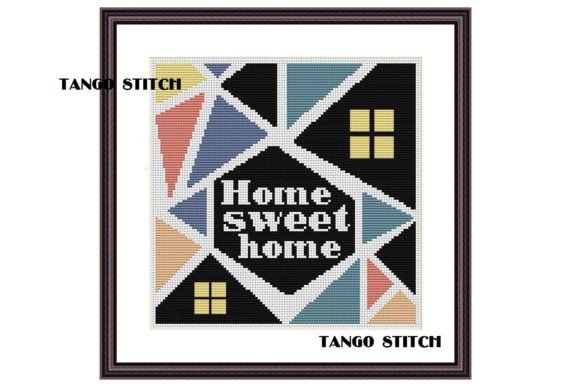
The moment you load this machine embroidery design, the geometric nature of the pattern stands out. Unlike traditional, overly ornate floral cross-stitch files, this one relies on clean lines and structured shapes. For a small clothing brand looking to establish a modern, minimalist aesthetic, this is a winning choice. The mood is welcoming but sophisticated. It feels less like a rustic farmhouse craft and more like a contemporary lifestyle brand.
The layout is compact enough for a standard chest placement but detailed enough to hold its own as a focal point. In the world of sweatshirt embroidery, balance is everything. If a design is too cluttered, it gets lost on thick cotton fleece. If it is too sparse, it looks cheap. Home Sweet Home Geometric Embroidery strikes a perfect middle ground. The text "Home Sweet Home" is integrated into the geometric structure, likely using a stylized font that mimics the pixelated or blocky feel of cross-stitch while remaining legible at a glance. This makes it ideal for hoodie design applications where readability is key for social media visibility.
Application on Premium Apparel
Imagine this design on a heavyweight, oversized hoodie in a neutral oatmeal or soft sage green. The geometric lines will pop against the fabric texture, especially if you use a high-quality polyester thread that catches the light. For a dark charcoal or navy sweatshirt, the contrast becomes even more dramatic. I often advise clients to avoid pure white thread on black fabric unless the stitch density is high, as the dark background can bleed through. However, with a geometric design, the solid blocks of color usually provide enough coverage to prevent show-through.
This design also works beautifully on pastel colors. Think blush pink or baby blue crewnecks aimed at a younger demographic. Here, the design takes on a softer, more playful personality. It transitions easily from a bold statement piece to a subtle, decorative accent. For a limited drop targeting new homeowners or young couples, placing this on a cozy seasonal apparel item creates an immediate emotional connection. It’s not just a shirt; it’s a celebration of a new beginning.
Versatility Beyond the Chest
One of the strongest aspects of this embroidery file is its adaptability. While the chest is the standard placement, the geometric symmetry allows for creative variations. You could split the design for a left-sleeve accent, creating a balanced look that encourages customers to turn around. Alternatively, scaling it down for a pocket-square placement adds a touch of understated luxury. For a boutique brand, these small details elevate the perceived value of the product, making it feel custom-made rather than mass-produced.
Technical Considerations for Production
Before adding this to your production queue, there are practical concerns every designer must address. First, consider the stitch density. Geometric designs often involve many satin stitches or tight fill patterns. On a sweatshirt, which has a thick nap, you need to ensure the stabilizer is robust enough to support the needle penetrations without causing the fabric to pucker. A cut-away stabilizer is non-negotiable for commercial embroidery on knit fabrics to maintain durability through washes.
Hoop size is another critical factor. Ensure the digitizing matches your machine’s capabilities. If the design is too large for a standard 5x7 hoop, you may need multi-hooping, which increases production time and the risk of misalignment. Always check the design assets specifications before purchasing. Since this is derived from a Cross Stitch Patterns concept, verify that the transition from pixel-art logic to smooth embroidery stitches has been handled well. Jagged edges can look unprofessional if not softened by proper underlay stitches.
Thread color contrast is paramount. Test your chosen thread colors on the actual fabric swatch. What looks vibrant on a monitor might appear muddy in person due to lighting and fabric dye lots. I recommend using a matte rayon thread for a premium finish, as it reduces glare and complements the casual nature of sweatshirts. Avoid shiny metallics unless they are used sparingly for accents, as they can detract from the clean geometric aesthetic.
Impact on Brand Identity and Sales
In the crowded marketplace of Etsy sellers and online shops, visual recognition is currency. A strong, cohesive design language helps build trust. Using Home Sweet Home Geometric Embroidery consistently across a collection signals professionalism. It tells the customer that you care about detail and quality. This is particularly important for custom apparel branding, where the logo or main graphic is the primary selling point.
From a marketing perspective, this design lends itself perfectly to lifestyle product photography. The geometric shape provides a nice anchor for flat-lay shots or model images. When you create printable mockup previews for your Etsy listings, this design will stand out among competitors using blurry or low-resolution graphics. High-quality embroidery photos convey craftsmanship, which justifies a higher price point. Customers are willing to pay more for a handmade product that feels substantial and well-executed.
Building Customer Engagement
Housewarming gifts are a significant market segment. By offering this specific design, you tap into a niche audience celebrating a major life event. The "Welcome" aspect mentioned in the source description invites community and warmth. When customers receive a sweatshirt with such a thoughtful design, they are more likely to leave positive reviews and share photos on social media. This organic engagement is invaluable for a small shop product trying to gain traction. It transforms a simple garment into a keepsake.
Final Verdict
Home Sweet Home Geometric Embroidery is a versatile, modern, and commercially viable addition to any embroiderer’s library. Its clean lines and adaptable layout make it suitable for a wide range of apparel styles, from oversized hoodies to fitted tees. However, success lies in the execution. Pay attention to fabric texture, choose the right stabilizer, and test your thread colors thoroughly. Remember to check the specific license terms and file formats provided by Tango Stitch before proceeding with large-scale production. If you treat this design with the respect it deserves, it will serve as a cornerstone for a successful, high-end boutique collection.
- Ensure proper stabilizer usage for knit fabrics.
- Test thread contrast on actual garment samples.
- Leverage the design for both front chest and sleeve placements.
- Use high-resolution mockups to showcase the geometric detail.
By focusing on these technical details, you transform a simple digital file into a tangible, profitable finished product that resonates with customers and strengthens your brand identity.